601 South Ferguson Pkwy Suite 300, Anna, TX 75409


Why Your Dentist Might Recommend Deep Cleaning Over Regular Cleaning Anna, TX


If your dentist has ever suggested a deep cleaning instead of a routine visit, you may have felt surprised or even confused. Understanding why your dentist might recommend deep cleaning over regular cleaning in Anna is important for your long-term oral health. At Dental Wellness Of Anna, Dr. Vinh Ngo helps patients make sense of their treatment options every day. This article breaks down the clinical differences so you can feel confident about your care.
What Happens During a Regular Teeth Cleaning?
A routine cleaning — also called a prophylaxis — is designed for patients with healthy gums. A dental hygienist removes plaque and tartar from the surfaces of your teeth. They also polish your enamel and check for early signs of trouble. Most patients need this type of cleaning every six months.
Regular cleanings focus on the area above the gumline. They are preventive in nature, not therapeutic. If your gums are healthy and there is no significant bone loss, a standard cleaning is usually all you need. It is a simple, comfortable appointment for most people.
What Is a Deep Cleaning and Why Is It Different?
A deep cleaning — clinically known as scaling and root planing — is a more advanced procedure. It targets bacteria, tartar, and toxins that have built up beneath the gumline. Unlike a regular cleaning, it reaches into the pockets between your gums and teeth. This is where dangerous bacteria cause gum disease to progress.
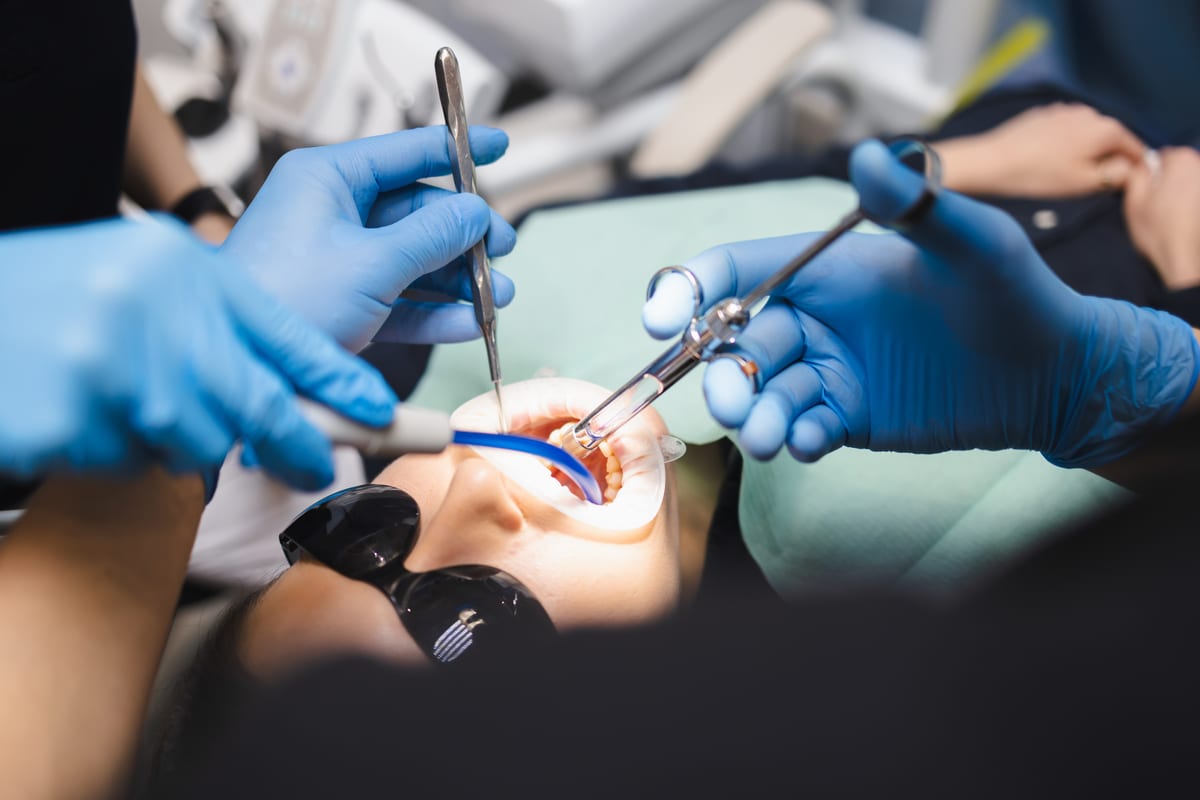
During scaling, your hygienist removes hardened deposits from the root surfaces. Root planing then smooths those surfaces to discourage future bacterial buildup. The procedure often requires local anesthesia for patient comfort. It may be completed in one visit or split across two appointments, depending on the severity.
Here is a quick comparison of both procedures:
- Regular cleaning: Removes plaque and tartar above the gumline
- Deep cleaning: Removes deposits above and below the gumline
- Regular cleaning: Preventive care for healthy gums
- Deep cleaning: Therapeutic treatment for gum disease
- Regular cleaning: No anesthesia typically required
- Deep cleaning: Local anesthesia is often used for comfort
How Does Dr. Vinh Ngo Decide Which Cleaning You Need in Anna?
Dr. Ngo uses a process called periodontal probing to evaluate your gum health. A small instrument measures the depth of the pockets around each tooth. Healthy pockets measure between one and three millimeters. Readings of four millimeters or more may indicate gum disease.
He also reviews your dental X-rays to check for bone loss. Bleeding gums, persistent bad breath, and receding gums are additional warning signs. If these signs are present, a deep cleaning is the appropriate clinical response. A regular cleaning in that situation would not reach the source of infection.
Patients who are new to our practice may want to start with a comprehensive exam. A New Patient Lp Anna visit allows Dr. Ngo to assess your baseline gum health accurately. This helps him recommend exactly the right level of care for you from day one.
What Are the Benefits of a Deep Cleaning for Gum Disease?
When gum disease is caught and treated early, outcomes are very positive. Scaling and root planing can halt the progression of periodontitis before it causes serious damage. Many patients see significant improvement in gum health within weeks of treatment. Here are the key benefits:
- Removes harmful bacteria that brushing and flossing cannot reach
- Reduces gum pocket depth over time
- Stops bone loss from advancing further
- Improves bad breath caused by bacterial buildup
- Lowers systemic health risks linked to gum disease
- Creates a cleaner foundation for long-term oral hygiene
Research has also linked untreated gum disease to heart disease, diabetes, and other systemic conditions. Treating it promptly protects more than just your smile. Dr. Ngo views deep cleaning as an essential health intervention, not just a dental procedure.
What Should Anna Patients Expect After a Deep Cleaning?
It is normal to experience some sensitivity and mild soreness after the procedure. Your gums may feel tender for a few days. Dr. Ngo will provide specific aftercare instructions to help you recover comfortably. Over-the-counter pain relievers and a soft diet usually make recovery manageable.
A follow-up visit — called a periodontal maintenance appointment — is typically scheduled eight to twelve weeks later. At that visit, Dr. Ngo reassesses your gum pockets to measure improvement. Most patients move to a maintenance schedule of three to four cleanings per year after treatment. This keeps gum disease from returning.
If you experience a sudden dental problem during your recovery, our team is here. We offer Emergency Dentistry Lp Anna services so you are never left without support when something unexpected arises.
Taking the Next Step Toward Healthier Gums in Anna, TX
Choosing between a regular cleaning and a deep cleaning is not a decision you have to make alone. Dr. Vinh Ngo and the team at Dental Wellness Of Anna are here to guide you with honest, patient-centered advice. If you have noticed bleeding gums, persistent bad breath, or sensitivity along your gumline, do not wait to get checked. Early treatment always leads to better results.
Our practice serves families throughout Anna and the surrounding communities with compassionate, thorough dental care. We believe every patient deserves to understand what is happening with their oral health. Knowledge leads to better decisions — and better decisions lead to healthier smiles. Book Now to schedule your appointment with our team.
Frequently Asked Questions
Is a deep cleaning painful?
Most patients tolerate deep cleaning very well with local anesthesia. You may feel some pressure or mild discomfort, but significant pain is uncommon. After the procedure, light soreness can last a few days and is easily managed with over-the-counter pain relief.
How do I know if I need a deep cleaning instead of a regular cleaning?
Your dentist will measure your gum pocket depths using a small probe. Pockets deeper than three millimeters, combined with signs like bleeding or bone loss on X-rays, typically indicate that a deep cleaning is necessary. A thorough exam is the only reliable way to know for certain.
How long does a deep cleaning take at Dental Wellness Of Anna?
The total time depends on the severity of gum disease. Some patients complete treatment in one longer appointment. Others prefer to split the procedure into two visits — treating one side of the mouth at a time. Dr. Ngo will discuss the best approach during your consultation.
Will I need deep cleanings forever after my first one?
Not necessarily. After successful treatment, many patients transition to a periodontal maintenance schedule rather than requiring repeated deep cleanings. Consistent follow-up visits and good home care are the keys to keeping gum disease from returning.
Can children need deep cleanings too?
Deep cleanings are less common in children, but gum disease can affect younger patients in some cases. Dr. Ngo offers pediatric dentistry services and will assess your child’s gum health as part of routine checkups. Early monitoring helps catch any issues before they become serious.