601 South Ferguson Pkwy Suite 300, Anna, TX 75409


Does Root Canal Treatment Really Hurt: What Modern Anesthesia Actually Does Anna, TX

If you have been told you need a root canal, your first question is probably about pain. Many patients in Anna, TX ask Dr. Vinh Ngo the same thing: does root canal treatment really hurt? The honest answer may surprise you. Modern anesthesia has completely changed this procedure. Understanding what modern anesthesia actually does can help you walk into your appointment feeling calm and prepared.
The Old Reputation vs. Modern Root Canal Reality in Anna
Root canals earned a bad reputation decades ago. At that time, dental anesthesia was far less effective. Patients often felt significant discomfort during the procedure itself.
Today, that reputation simply does not match reality. Techniques and anesthetic medications have improved dramatically. Most patients at Dental Wellness Of Anna report that the procedure feels similar to getting a routine filling.
The pain you feel before a root canal is typically caused by the infected tooth. That throbbing ache, sensitivity, and pressure comes from the nerve inside the tooth. The root canal procedure is actually designed to eliminate that pain — not create it.
Many patients leave our office surprised at how manageable the whole experience was. That shift in expectation makes a real difference in how you recover emotionally afterward.
What Modern Anesthesia Actually Does During Treatment
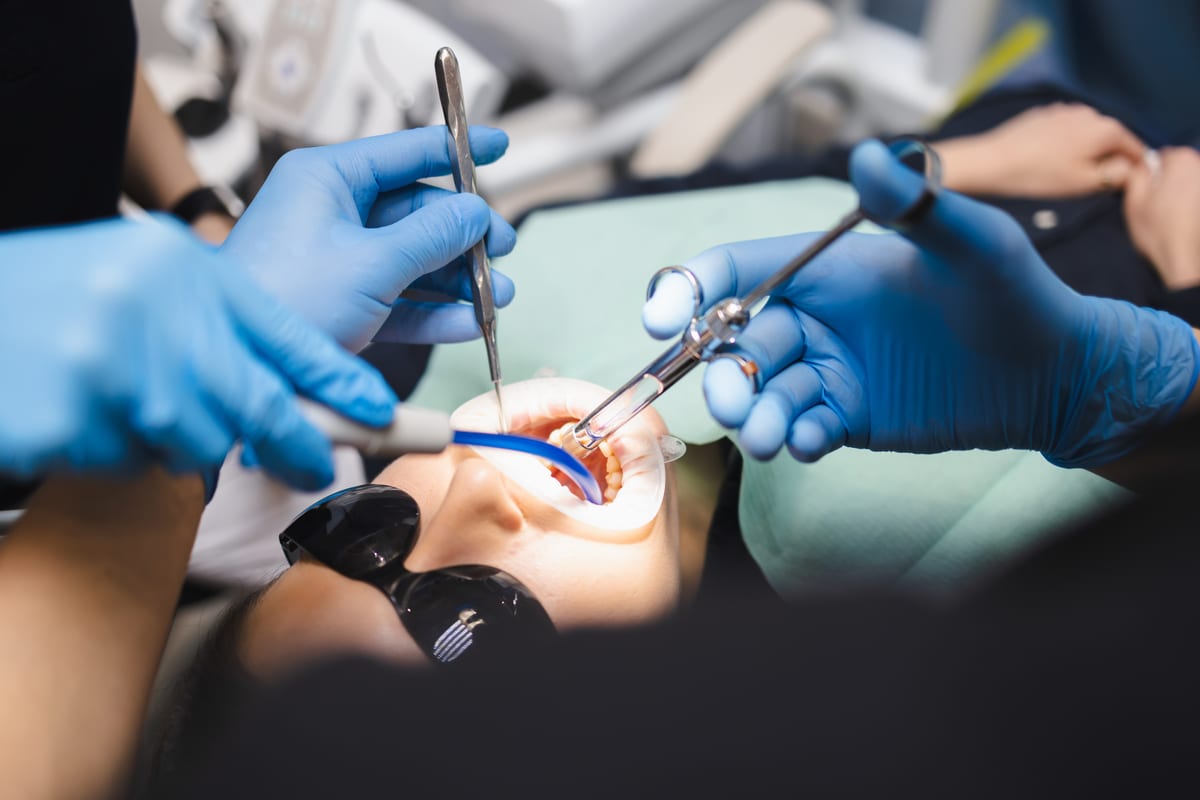
Local anesthesia is the cornerstone of a comfortable root canal. Dr. Ngo administers it directly around the affected tooth. This numbs the nerve completely before any work begins.
Modern anesthetic agents like articaine and lidocaine act quickly and effectively. They block pain signals from traveling to your brain. You stay fully awake and aware, but you feel no sharp pain in the treatment area.
Here is what you can expect to feel during the procedure:
- Pressure as instruments work inside the tooth
- Mild vibration from dental tools
- Occasional awareness of movement in the area
- Numbness throughout the treated side of your mouth
None of those sensations should be sharp or intense. If you ever feel discomfort, tell Dr. Ngo immediately. More anesthetic can be added at any point during your appointment.
Some teeth with severe infections can be harder to numb at first. In those cases, Dr. Ngo may use supplemental injection techniques. These approaches ensure complete numbness before the procedure continues.
What You Actually Feel After the Anesthesia Wears Off
The post-procedure experience is where patients notice the most discomfort. Once the anesthetic wears off, some soreness is normal. This usually begins a few hours after your appointment ends.
The soreness comes from inflammation in the tissues surrounding the tooth. Your immune system responds to the treatment as it heals. This is a completely expected part of recovery.
Most patients describe post-root canal soreness as mild to moderate. Over-the-counter pain relievers typically manage it well. Dr. Ngo may also prescribe medication if needed for your specific case.
Here is a general timeline for what recovery looks like:
- Day 1–2: Mild soreness and sensitivity when biting
- Day 3–4: Discomfort begins to decrease noticeably
- Day 5–7: Most patients feel close to normal
- Week 2+: Full comfort returns after the final restoration
Swelling or significant pain beyond day three should be reported to our office. Occasionally an antibiotic is needed if infection was extensive. We always want to hear from you if something feels off during recovery.
How Dr. Ngo Makes Root Canals Comfortable in Anna, TX
At Dental Wellness Of Anna, patient comfort is a genuine priority. Dr. Vinh Ngo takes time to explain every step before it happens. That transparency reduces anxiety significantly for most patients.
The office uses modern equipment that makes procedures faster and more precise. Rotary instruments, for example, reduce the time spent inside the tooth. Less time in the chair means less overall fatigue and stress for you.
Dr. Ngo also encourages open communication throughout your visit. You can raise your hand at any moment to pause the procedure. No one will rush you or dismiss your concerns.
For patients with significant dental anxiety, additional comfort options may be discussed. The goal is always to make your experience as calm as possible. Dental care should never feel like something to dread.
If you have a dental emergency involving severe tooth pain, Emergency Dentistry Lp Anna is available to help you get relief quickly. Prompt care often prevents the need for more complex treatment later.
Benefits of Choosing Modern Root Canal Treatment
Some patients wonder whether extraction is a simpler option than a root canal. In most cases, saving your natural tooth is the better long-term choice. Modern root canal therapy makes that goal very achievable.
Here are key reasons patients choose root canal treatment over extraction:
- Preserves your natural tooth structure
- Maintains proper bite alignment
- Prevents neighboring teeth from shifting
- Avoids the need for a bridge or implant
- Typically more cost-effective over time
- Recovery is usually faster than extraction recovery
A treated tooth can last a lifetime with proper care. It functions exactly like a healthy natural tooth once restored. Most patients forget which tooth was treated within a few months.
If you are new to our practice and considering treatment, becoming a New Patient Lp Anna is a simple and welcoming process. Dr. Ngo will review your full dental history before recommending any procedure.
Conclusion: Pain Fear Should Not Delay Your Care
Fear of pain is the number one reason patients delay a root canal. That delay often allows infection to spread and causes far greater discomfort over time. The truth is that modern anesthesia makes this procedure very manageable.
Dr. Vinh Ngo and the team at Dental Wellness Of Anna are here to support you every step of the way. From the first numbing injection to your final follow-up visit, your comfort matters. You deserve honest information and compassionate care — and that is exactly what we provide in Anna, TX.
Do not let an outdated fear keep you from a healthy, pain-free smile. Book Now to schedule your appointment with our team.
Frequently Asked Questions
Does a root canal hurt while it is happening?
No — not with proper anesthesia in place. Dr. Ngo numbs the area completely before starting. You may feel pressure or vibration, but sharp pain should not occur. If you feel discomfort at any point, more anesthetic can be added immediately.
How long does soreness last after a root canal?
Most patients experience mild to moderate soreness for two to four days. Over-the-counter pain relievers typically manage it well. By the end of the first week, most patients feel significantly better. Contact our office if pain is severe or lasts longer than expected.
Is the injection for numbing painful?
A topical numbing gel is applied to the gum before the injection. This reduces the sensation of the needle significantly. Most patients feel only a brief pinch at most. Dr. Ngo uses a slow, careful technique to minimize any discomfort.
Can I drive myself home after a root canal?
Yes, in most cases you can drive yourself home. Local anesthesia does not affect your ability to drive. Your mouth will feel numb for a few hours after the procedure. Avoid eating on the numb side until full sensation returns.
How do I know if I need a root canal?
Common signs include severe toothache, prolonged sensitivity to heat or cold, darkening of the tooth, and swelling near the gum. A dental exam and X-rays confirm whether the inner nerve is affected. Early treatment leads to better outcomes and less discomfort overall.