601 South Ferguson Pkwy Suite 300, Anna, TX 75409


Is a Dental Bridge Right for Your Missing Tooth? Anna, TX

Losing a tooth can feel overwhelming. You may wonder what your options are and whether a dental bridge is the right solution for you. If you’re asking, is a dental bridge right for your missing tooth in Anna, you’re not alone. At Dental Wellness Of Anna, Dr. Vinh Ngo helps patients evaluate their options with clarity and care.
Not every patient is an ideal candidate for a dental bridge. Several factors influence whether this treatment will work well for your unique situation. Understanding those factors is the first step toward making a confident decision about your smile.
What Is a Dental Bridge and Who Needs One?
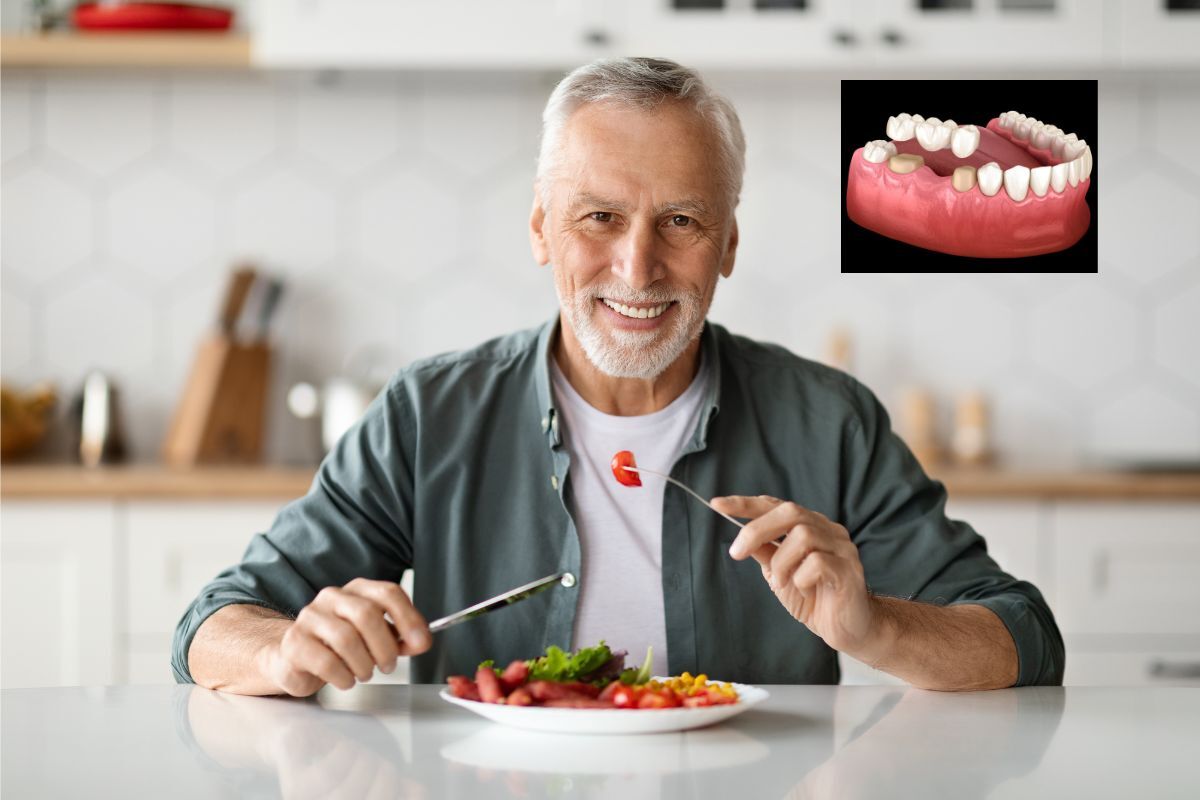
A dental bridge is a fixed restoration that replaces one or more missing teeth. It uses the surrounding teeth, called abutment teeth, as anchors. An artificial tooth, called a pontic, sits between those anchors to fill the gap.
Bridges are most commonly recommended when a patient has one or a few consecutive missing teeth. They restore chewing function, preserve the alignment of surrounding teeth, and improve the appearance of your smile. Without treatment, neighboring teeth can shift into the empty space over time.
Patients who may benefit from a bridge include those who:
- Have one or more adjacent missing teeth
- Have healthy teeth on either side of the gap
- Have adequate bone density in the jaw
- Want a fixed, non-removable solution
- Are not currently eligible for dental implants
Dr. Ngo evaluates each patient individually. Your overall oral health plays a big role in determining candidacy.
Is a Dental Bridge Right for Your Missing Tooth? Key Candidacy Factors in Anna
Determining whether a dental bridge is right for your missing tooth in Anna starts with a thorough evaluation. Dr. Ngo examines several key factors before recommending treatment. These factors help ensure your bridge will be functional and long-lasting.
The most important candidacy factors include:
- Abutment tooth health: The teeth beside the gap must be strong and healthy enough to support a bridge.
- Gum health: Active gum disease must be treated before placing a bridge.
- Bone density: Sufficient bone supports the surrounding teeth and overall structure.
- Number of missing teeth: Bridges work best when replacing one to three consecutive teeth.
- Bite alignment: Your bite must be properly evaluated to prevent excessive stress on the bridge.
If you have untreated decay or gum disease, Dr. Ngo will address those concerns first. This step protects both your health and your investment in restorative care.
What Does the Evaluation Process Look Like at Dental Wellness Of Anna?
Your candidacy evaluation at Dental Wellness Of Anna is thorough and patient-focused. Dr. Ngo begins with a comprehensive oral exam. He checks the condition of your gums, remaining teeth, and jawbone health.
Digital X-rays give Dr. Ngo a clear view of what’s happening beneath the surface. These images reveal bone levels, root health, and any hidden concerns that might affect your treatment. This step is critical for planning a successful restoration.
During your evaluation, Dr. Ngo also discusses your goals and lifestyle. He wants to understand what matters most to you in a dental solution. His approach is conversational and educational, not rushed or pushy.
If you are a New Patient in Anna, this evaluation is a great starting point for understanding all your restorative options. Dr. Ngo takes time to explain findings in plain language and answer every question you have.
When a Dental Bridge May Not Be the Best Fit
A dental bridge is not always the ideal choice. Some patients may be better served by other restorations. Understanding the alternatives helps you and Dr. Ngo make the best decision together.
A bridge may not be recommended if:
- The neighboring teeth are weak, heavily decayed, or already have large restorations
- The gap is too wide for a stable bridge
- You prefer not to have healthy tooth structure altered on adjacent teeth
- Bone loss is severe in the area
In some cases, dental implants may be a stronger long-term option. Implants preserve the jawbone and do not require altering adjacent teeth. Dr. Ngo will discuss all appropriate alternatives during your consultation.
In rare situations, a removable partial denture may also be considered. Every patient’s case is different, and personalized guidance makes all the difference in achieving a great outcome.
What to Expect if You Move Forward with a Bridge
If Dr. Ngo determines you are a good candidate, the bridge process is straightforward. Most patients complete treatment in two to three appointments. The process is designed to be comfortable and predictable.
Here’s what typically happens:
- Preparation visit: The abutment teeth are gently reshaped to accommodate dental crowns. An impression or digital scan is taken of your mouth.
- Temporary bridge: A temporary restoration protects your teeth while your permanent bridge is crafted.
- Placement visit: Dr. Ngo fits and bonds your custom bridge. He checks your bite carefully before finalizing placement.
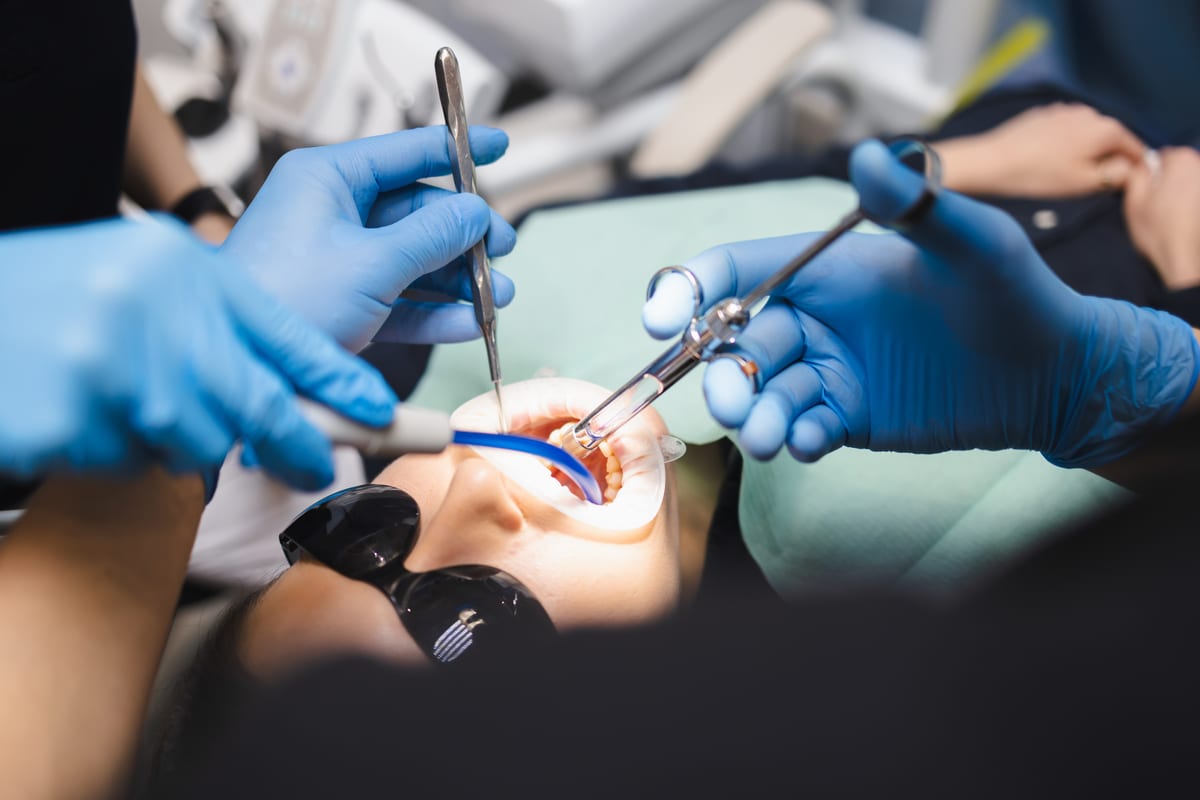
Most patients report that the process is much more comfortable than they expected. Dr. Ngo and his team work to ensure you feel calm and informed at every step. Local anesthesia keeps you comfortable throughout each visit.
If a dental emergency arises during your treatment process, the team is ready to help. Prompt care protects your restoration and your overall oral health.
Caring for Your Bridge After Placement
A well-maintained dental bridge can last 10 to 15 years or longer. Proper home care and regular dental visits are key to longevity. Dr. Ngo will walk you through everything you need to know.
Daily brushing and flossing are essential. Flossing under the bridge using a floss threader or water flosser removes plaque buildup. Bacteria trapped beneath the bridge can cause decay in the abutment teeth over time.
Routine cleanings at Dental Wellness Of Anna allow Dr. Ngo to monitor the health of your bridge and surrounding teeth. Early detection of any issue keeps small problems from becoming bigger ones. Your long-term success with a bridge starts with consistent follow-up care.
Conclusion: Take the First Step Toward a Complete Smile
A dental bridge can be a life-changing solution for the right patient. The key is knowing whether it fits your unique needs, health, and goals. Dr. Vinh Ngo at Dental Wellness Of Anna provides honest, thorough evaluations to help you decide with confidence. If you’re still wondering whether a dental bridge is right for your missing tooth in Anna, scheduling a consultation is the best next step. Book now to schedule your appointment with our team.
Frequently Asked Questions
1. How long does a dental bridge last?
With proper care, a dental bridge typically lasts between 10 and 15 years. Some bridges last even longer when patients maintain excellent oral hygiene and attend regular dental checkups. Dr. Ngo will give you personalized guidance on maximizing the lifespan of your bridge.
2. Does getting a dental bridge hurt?
Most patients experience very little discomfort during the bridge procedure. Dr. Ngo uses local anesthesia to keep you comfortable throughout the preparation and placement appointments. Any mild soreness after the procedure usually resolves within a few days.
3. Can I eat normally with a dental bridge?
Yes, most patients can eat a wide variety of foods with a dental bridge. It is best to avoid very hard or sticky foods that could stress or dislodge the bridge. Dr. Ngo will share specific dietary recommendations based on your restoration.
4. How do I know if my abutment teeth are healthy enough for a bridge?
Dr. Ngo performs a comprehensive exam including X-rays to assess the strength and health of your adjacent teeth. If they show decay or structural weakness, treatment will be completed first. This ensures your bridge has a stable and lasting foundation.
5. Is a dental bridge better than a partial denture?
A dental bridge is a fixed restoration, while a partial denture is removable. Bridges generally offer greater stability and a more natural feel during eating and speaking. Dr. Ngo will review both options with you to determine which solution aligns best with your oral health and lifestyle goals.