601 South Ferguson Pkwy Suite 300, Anna, TX 75409


Why Do My Teeth Hurt When I Drink Cold Water? Anna, TX


For many people, that sharp twinge of pain when sipping on ice-cold water can be surprising and uncomfortable. While it may feel like a small issue at first, tooth sensitivity is often your body’s way of signaling that something is not quite right with your oral health. Understanding the causes can help you know when it’s time to take action and see a dentist.
What Causes Tooth Sensitivity to Cold?
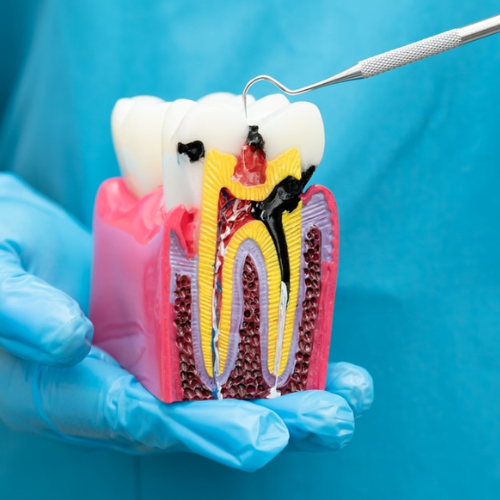
Tooth sensitivity, also called dentin hypersensitivity, happens when the protective layers of your teeth are compromised. The outer layer of your teeth, called enamel, acts as a shield. When enamel wears down or your gums recede, the underlying dentin becomes exposed. Dentin contains tiny tubules that connect to the tooth’s nerve, and when exposed to cold, they send sharp pain signals.
Here are some of the most common reasons your teeth may hurt when you drink cold water:
1. Enamel Erosion
Over time, acidic foods, drinks, or aggressive brushing can weaken and wear down enamel. Once this protective barrier thins, your teeth are more sensitive to temperature changes.
2. Gum Recession
When gums recede due to aging, brushing too hard, or gum disease, they expose the root surfaces of your teeth. These areas don’t have protective enamel, making them especially sensitive to cold drinks.
3. Cavities or Tooth Decay
Even small cavities can leave parts of your teeth exposed, which increases sensitivity. If you feel pain localized to one tooth, it may be a sign of decay.
4. Cracked or Damaged Teeth
A small crack in your tooth can allow cold water to reach the sensitive inner layers, triggering discomfort.
5. Dental Treatments
Sometimes, recent dental work such as fillings, crowns, or whitening can cause temporary sensitivity. This usually improves on its own, but if the pain lingers, it’s worth checking in with an Anna dentist.
When Is Sensitivity a Sign of a Bigger Problem?
Occasional mild sensitivity isn’t always cause for concern, but if the pain is sharp, persistent, or worsening, it could indicate an underlying dental issue. For example, untreated cavities, gum disease, or infections may present as sensitivity to cold at first but can progress into more serious problems if ignored.
If sensitivity is interfering with your ability to eat, drink, or enjoy daily life, consulting a professional dentist in Anna can help identify the exact cause and provide guidance on how to address it.
Tips to Manage Tooth Sensitivity at Home
While professional care is often needed, there are simple steps you can take to reduce sensitivity in the meantime:
- Use a soft-bristled toothbrush to avoid damaging enamel and gums.
- Switch to a toothpaste for sensitive teeth, which helps block pain signals from the nerve.
- Limit acidic foods and beverages such as soda, citrus, and wine that erode enamel.
- Avoid aggressive brushing, focusing instead on gentle, circular motions.
- Stay consistent with oral hygiene, since plaque buildup can worsen sensitivity.
These small changes can provide relief, but long-term solutions often depend on identifying the underlying cause with help from your dentist.
Why Professional Guidance Matters
Tooth sensitivity may seem like a minor inconvenience, but it can be a sign of something more serious. An experienced Anna dentist can help determine whether the sensitivity is due to weakened enamel, cavities, or gum concerns. With a patient-centered approach, you can receive care tailored to your unique needs, ensuring that your teeth remain healthy and strong.
Final Thoughts
If cold water makes your teeth hurt, you don’t have to keep living with discomfort. Sensitivity is often manageable with the right care, and addressing it early helps protect your long-term oral health. At Dental Wellness of Anna, we are committed to providing the guidance and expertise you need—schedule an appointment with us today.