601 South Ferguson Pkwy Suite 300, Anna, TX 75409


What to Expect During Your Root Canal Treatment Anna, TX

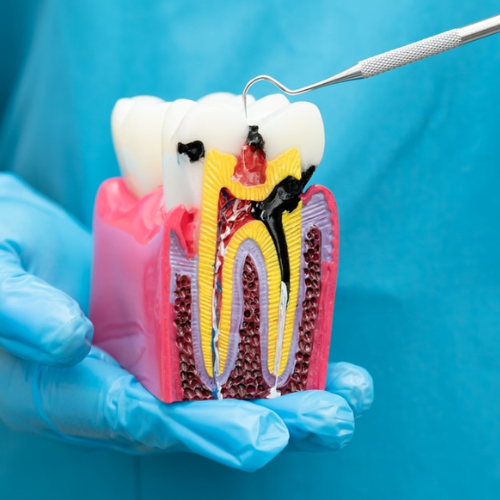
If your dentist has recommended a root canal, you might have concerns about what the procedure involves. Many people associate root canal treatment with pain, but thanks to modern advancements in dental technology and anesthesia, the procedure is now more comfortable than ever. Understanding the process can help ease anxiety and prepare you for a smooth treatment experience.
Root canal therapy is a highly effective procedure designed to save a tooth that has been severely damaged or infected. Rather than extracting the tooth, the treatment removes the infected pulp inside, cleans and disinfects the area, and seals it to prevent further issues. This helps restore the function and health of your natural tooth while relieving pain and discomfort.
Why Do You Need Root Canal Therapy?
Root canal therapy is necessary when the pulp inside the tooth becomes inflamed or infected. This can happen due to deep decay, cracks, chips, or repeated dental procedures on the same tooth. If left untreated, the infection can spread, leading to severe pain, abscess formation, and even tooth loss.
Common symptoms that indicate the need for a root canal include:
- Persistent toothache that worsens over time
- Sensitivity to hot or cold foods and drinks
- Swollen or tender gums near the affected tooth
- Darkening of the tooth
- A pimple-like bump on the gums, indicating an abscess
If you experience any of these symptoms, it’s important to visit our dentist for root canal therapy in anna, ensuring your long-term oral health and comfort. Early intervention can prevent complications and preserve your natural tooth.
Step-by-Step Breakdown of the Root Canal Treatment
Many patients feel more at ease when they understand what to expect during a root canal procedure. Here’s a detailed look at each step:
1. Initial Consultation and Diagnosis
Before the procedure, our dentist will examine the affected tooth using X-rays to determine the extent of the damage or infection. This helps plan the treatment and ensure the best outcome.
Our dentist will also discuss the procedure, address any concerns you may have, and explain aftercare instructions to help you feel fully prepared.
2. Numbing the Tooth
To ensure your comfort, a local anesthetic is administered to numb the affected tooth and the surrounding area. Once the anesthesia takes effect, you won’t feel pain during the procedure—only slight pressure or movement.
3. Removing the Infected Pulp
The dentist will create a small opening in the crown of the tooth to access the infected or damaged pulp inside. Using specialized instruments, they will carefully remove the pulp, eliminating the source of pain and infection.
4. Cleaning and Disinfecting the Canals
After removing the pulp, the dentist will clean the inside of the tooth, including the root canals, to remove any remaining bacteria. The canals are then shaped and disinfected to prepare them for filling.
5. Sealing the Tooth
Once cleaned, the canals are filled with a biocompatible material called gutta-percha. This rubber-like material seals the canals to prevent reinfection. The opening in the tooth is then temporarily sealed until a permanent restoration is placed.
6. Final Restoration with a Crown
After a root canal, the tooth becomes more fragile and may require additional protection. In most cases, a dental crown is placed over the tooth to restore its strength, function, and appearance. The crown ensures the tooth remains durable for years to come.
What to Expect After the Procedure
Following the root canal procedure, it’s normal to experience mild soreness or sensitivity, which can be managed with over-the-counter pain relievers like ibuprofen or acetaminophen. Most patients resume normal activities the next day, but it’s essential to follow your dentist’s aftercare instructions for a smooth recovery.
Here are some key post-treatment care tips:
- Avoid chewing on the treated tooth until the permanent crown is placed.
- Maintain good oral hygiene by brushing and flossing regularly.
- Attend all follow-up appointments to ensure proper healing.
If you notice severe pain, swelling, or any signs of reinfection, contact your dentist immediately.
Dispelling Common Myths About Root Canal Therapy
There are many misconceptions about root canal treatment, leading to unnecessary fear. Here’s the truth behind some of the most common myths:
- Myth: Root canals are extremely painful.
Reality: With modern anesthesia and techniques, root canal treatment is no more painful than getting a routine dental filling. - Myth: Extracting the tooth is a better option.
Reality: Keeping your natural tooth through a root canal procedure is the best choice. It maintains proper chewing function, prevents shifting of surrounding teeth, and preserves your smile. - Myth: Root canal treatment causes illness.
Reality: There is no scientific evidence linking root canal therapy to health problems. The procedure is safe and has been performed successfully for decades.
When Should You See a Dentist?
If you’re experiencing persistent tooth pain, sensitivity, or swelling, it’s crucial to seek dental care as soon as possible. Delaying treatment can lead to more serious complications, including abscesses and tooth loss.
Early intervention with tooth sensitivity treatment can save your tooth and prevent the need for more invasive procedures. Our dentist will evaluate your condition and recommend the best course of action to restore your oral health.
A Healthier Smile Begins with the Right Decision
Root canal therapy is a highly effective treatment that can relieve pain, eliminate infection, and save your natural tooth. Understanding the procedure and what to expect can help you feel more at ease and prepared for treatment.
At Dental Wellness Anna, we are committed to providing a comfortable, patient-centered experience focused on long-term oral health. If you’re experiencing tooth pain or have concerns about your dental health, schedule an appointment today and take the first step toward lasting relief and a healthier smile.