601 South Ferguson Pkwy Suite 300, Anna, TX 75409


What to Do If Your Child Has a Toothache Anna, TX

A toothache can quickly turn into a stressful experience for both children and parents. When your child is in pain, knowing how to respond calmly and effectively is essential. Understanding what causes a toothache and how to manage it can make a big difference in your child’s comfort and long-term oral health.
Common Causes of Toothaches in Children
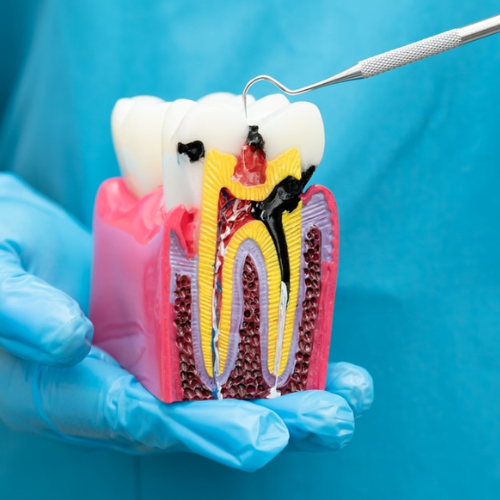
Toothaches in children can be caused by several factors. Commonly, dental decay or cavities lead to sensitivity and pain. Tooth eruption—when baby teeth loosen or permanent teeth come in—can also cause discomfort. Gum inflammation from poor hygiene, accidental injuries, or even sinus infections may result in tooth pain. If your child is experiencing persistent discomfort, consulting a pediatric dentist in Anna can help identify the cause and provide the right treatment to relieve their pain.
Immediate Steps to Help Relieve Pain
When your child experiences a toothache, taking prompt and gentle action can help ease their discomfort before professional care is available. These immediate steps provide safe and effective ways to relieve pain and reduce inflammation at home.
Stay Calm and Reassure Your Child
When your child complains of a toothache, the first and most important step is to remain calm. Reassure your child that you are there to help and that the discomfort can be managed. Keeping them calm can reduce anxiety, which often makes the pain feel worse.
Rinse the Mouth with Warm Salt Water
Gently have your child rinse their mouth with warm salt water. This helps to cleanse the affected area and reduce inflammation. Saltwater rinses can also promote healing and remove irritants that might be causing discomfort.
Remove Trapped Food Particles
Check if any food is stuck between the teeth near the painful area. Carefully floss around the tooth to remove debris. Sometimes, trapped food can cause pressure and irritation, so removing it might provide immediate relief.
Use a Cold Compress
Applying a cold compress to the outside of your child’s cheek, close to the sore tooth, can reduce swelling and numb the pain. Use a clean cloth or ice pack wrapped in a towel, and apply for 10 to 15 minutes at a time, with breaks in between.
Administer Appropriate Pain Relief
Over-the-counter pain medications such as acetaminophen or ibuprofen can be used to manage your child’s toothache. Always follow the dosing instructions on the package, ensuring the dosage is suitable for your child’s age and weight. Never place aspirin directly on the gums or teeth, as this can irritate or burn. Also, avoid adult topical numbing gels unless specifically recommended by a pediatric dentist.
When to See a Pediatric Dentist
If the toothache lasts more than a day, is particularly severe, or is accompanied by fever, facial swelling, or difficulty eating, it’s important to contact a pediatric dentist promptly. These symptoms can indicate an infection or abscess that needs professional care. Delaying treatment may result in more complex problems or prolonged discomfort.
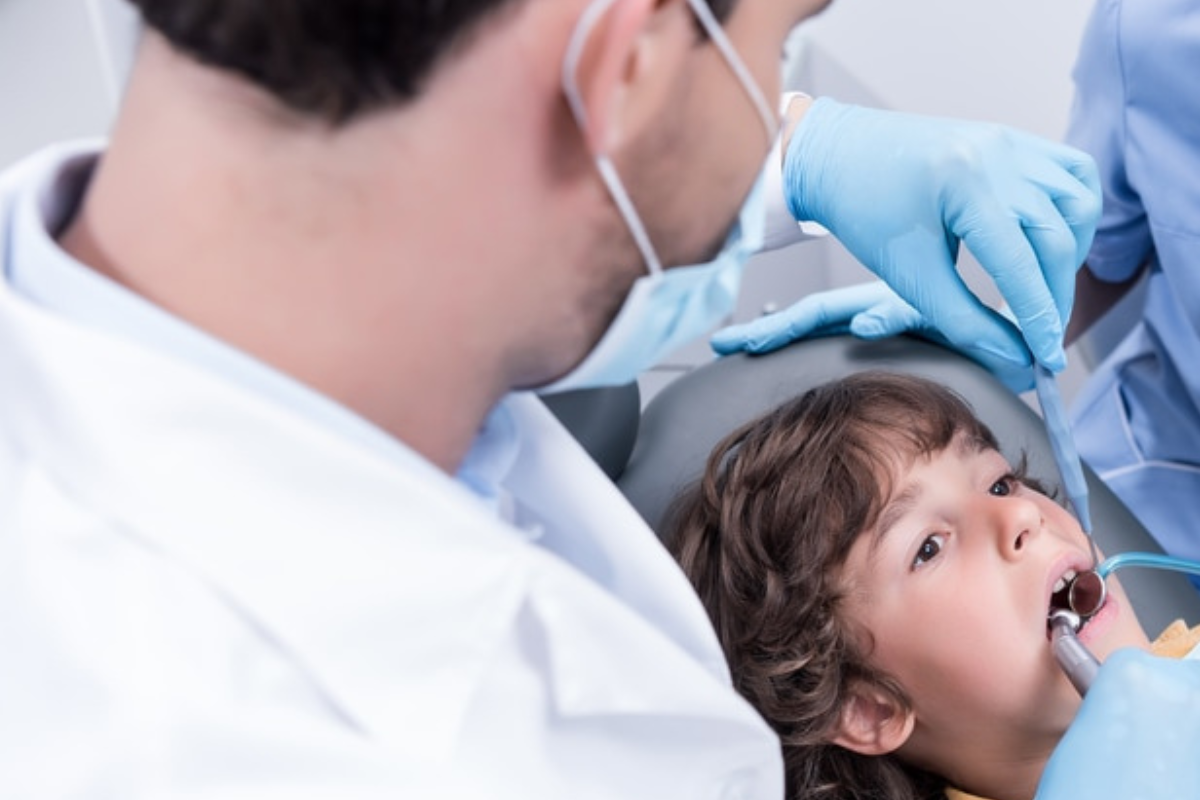
A pediatric dentist is trained to evaluate and treat dental issues in children with a gentle and reassuring approach. At Dental Wellness of Anna, we understand how stressful dental pain can be for families, and we are committed to providing timely, compassionate care that addresses both the symptoms and their underlying causes.
The Role of a Pediatric Dentist in Preventive Care
Preventive dental care is one of the most effective ways to avoid toothaches in the first place. A pediatric dentist focuses not only on treating current problems but also on educating families about how to maintain strong oral health. Regular checkups, cleanings, and early detection of potential concerns are key components of pediatric dental care.
By visiting a pediatric dentist in Anna early and consistently, your child can build a positive relationship with dental visits, which encourages better oral habits over time.
How to Prevent Future Toothaches
Good oral hygiene is essential to prevent toothaches from returning. Encourage your child to brush twice a day using fluoride toothpaste and to floss daily to remove food particles and plaque from between the teeth. Limiting sugary snacks and drinks can also reduce the risk of cavities, as sugar feeds the bacteria that cause decay.
It’s also helpful to keep up with regular dental visits. A pediatric dentist can monitor your child’s development, recommend protective treatments when needed, and provide guidance on nutrition and oral care habits. Using a mouthguard during sports or other physical activities can protect teeth from injuries that might lead to pain.
Our dental clinic is committed to supporting your child’s oral health through expert care, a welcoming environment, and a compassionate approach tailored to young patients.
Schedule an appointment today to ensure your child receives the attentive care they deserve.