601 South Ferguson Pkwy Suite 300, Anna, TX 75409


Can Dental Implants Get Cavities Over Time? Anna, TX


Dental implants are often described as a long-lasting and reliable solution for missing teeth, but many patients still ask an important question: can dental implants get cavities over time? It’s a fair concern, especially for anyone committed to protecting their oral health long term. Understanding how dental implants interact with your mouth—and what risks still exist—can help you maintain a healthy, confident smile for years to come.
Unlike natural teeth, dental implants are made from materials such as titanium and ceramic that cannot decay in the traditional sense. However, that doesn’t mean implants are completely maintenance-free or immune to problems. Let’s break down what really happens over time and what you should know if you’re considering or already have dental implants.
Why Dental Implants Don’t Develop Cavities Like Natural Teeth
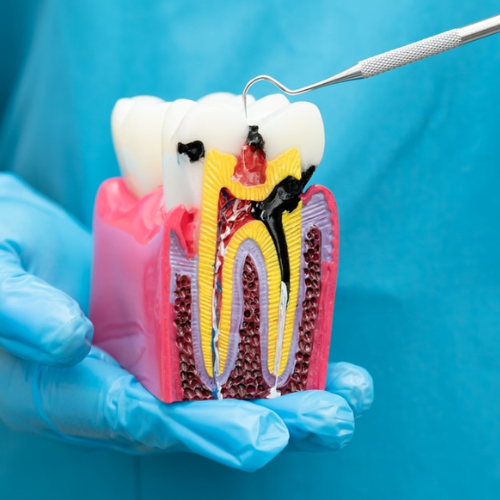
Cavities form when bacteria feed on sugars and produce acids that break down tooth enamel. Since dental implants are artificial, they don’t contain enamel or dentin. This means dental implants themselves cannot get cavities.
That said, implants are still surrounded by natural gum tissue and bone, both of which are vulnerable to infection and inflammation. While the implant crown won’t decay, the tissues supporting it absolutely require care and attention.
This distinction is especially important for patients researching dental implants, as long-term success depends on understanding both the benefits and responsibilities that come with implant care.
The Real Risk: Gum Disease Around Dental Implants
Although cavities aren’t a concern, dental implants can be affected by a condition called peri-implant disease. This condition is similar to gum disease and occurs when plaque and bacteria build up around the implant.
There are two main forms:
- Peri-implant mucositis – inflammation of the gum tissue around the implant
- Peri-implantitis – a more advanced infection that can lead to bone loss and implant failure
Poor oral hygiene, smoking, unmanaged health conditions, and skipping regular dental visits can increase the risk. This is why dentists emphasize consistent daily care and monitoring, even after implants are placed.
Can the Crown on a Dental Implant Be Damaged?
While the implant post is anchored into the jawbone, the visible part—the crown—can still experience wear or damage. Although it won’t decay, a crown can chip, crack, or loosen over time due to grinding, biting hard foods, or general wear.
Regular dental checkups allow a dentist to identify early signs of damage and address them before they compromise the implant’s stability or your comfort. When it comes to dental implants in Anna, consistent professional care supports long-term durability, healthy surrounding tissue, and reliable everyday function.
Oral Hygiene Still Matters More Than You Think
A common misconception is that dental implants don’t require the same level of care as natural teeth. In reality, good oral hygiene is essential to protecting the gums and bone that support the implant.
Daily brushing, flossing, and professional cleanings help control bacteria levels and reduce inflammation. Dentists often recommend special tools, such as interdental brushes or water flossers, to clean hard-to-reach areas around implants.
Patients who take a proactive approach tend to experience fewer complications and better long-term outcomes with dental implants.
Lifestyle Factors That Affect Implant Longevity
Several lifestyle factors can influence how well dental implants hold up over time:
- Smoking can slow healing and increase infection risk
- Teeth grinding (bruxism) can put excess pressure on the implant
- Poor diet choices may contribute to inflammation in the gums
- Inconsistent dental visits can allow small issues to go unnoticed
Being mindful of these factors can significantly extend the life of your dental implants and protect your overall oral health.
How Long Do Dental Implants Typically Last?
With proper care, dental implants can last decades—or even a lifetime. Studies consistently show high success rates when patients maintain good oral hygiene and follow professional recommendations.
This long-term reliability is one reason dental implants continue to be a trusted option for tooth replacement. However, success isn’t just about the implant itself—it’s about the health of the surrounding tissues and ongoing care.
Should You Be Concerned About Cavities If You Have Implants?
The short answer is no—implants don’t get cavities. The more important concern is keeping the gums healthy and ensuring plaque doesn’t build up around the implant. Thinking beyond cavities allows patients to focus on what truly matters for implant longevity: prevention, maintenance, and professional monitoring.
A dentist can help identify early warning signs and guide you on best practices to keep your implants and surrounding tissues in excellent condition.
Final Thoughts on Implant Care and Long-Term Oral Health
Dental implants offer a durable, natural-looking solution for missing teeth, but they still require attention and care. While cavities aren’t a threat to implants themselves, gum health plays a critical role in long-term success. Staying informed and proactive helps ensure your smile stays strong and healthy.
More engaging and informative guidance starts with understanding how modern dentistry supports long-term oral health. At Dental Wellness of Anna, we are committed to helping patients protect their smiles through education, prevention, and high-quality care. Schedule an appointment today to discuss how we can support your long-term oral health goals.