601 South Ferguson Pkwy Suite 300, Anna, TX 75409


Can Teeth Whitening Cause Enamel Loss? Anna, TX

A bright, white smile is often seen as a symbol of confidence and health. It’s no wonder teeth whitening has become one of the most sought-after cosmetic dental procedures today. But with growing popularity comes a fair share of myths and concerns, one of the most common being: Can teeth whitening cause enamel loss?
If you’ve been thinking about getting teeth whitening or are simply curious about how it works, it’s essential to understand the facts behind the process and its impact on your oral health. In this blog, we’ll explore how teeth whitening works, whether it affects your enamel, and what you should know before choosing a whitening method.
Understanding Tooth Enamel
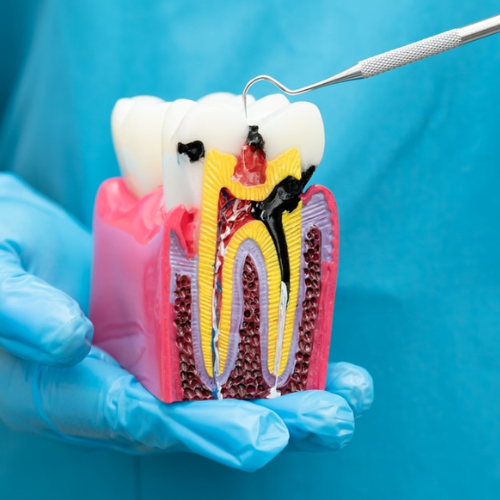
To address whether teeth whitening affects enamel, it’s important to understand what enamel is. Enamel is the outermost layer of your teeth, a hard, protective coating that shields the inner layers of your tooth from decay, sensitivity, and damage. While enamel is incredibly strong, it cannot regenerate once it wears away, making its preservation essential for lifelong dental health.
How Does Teeth Whitening Work
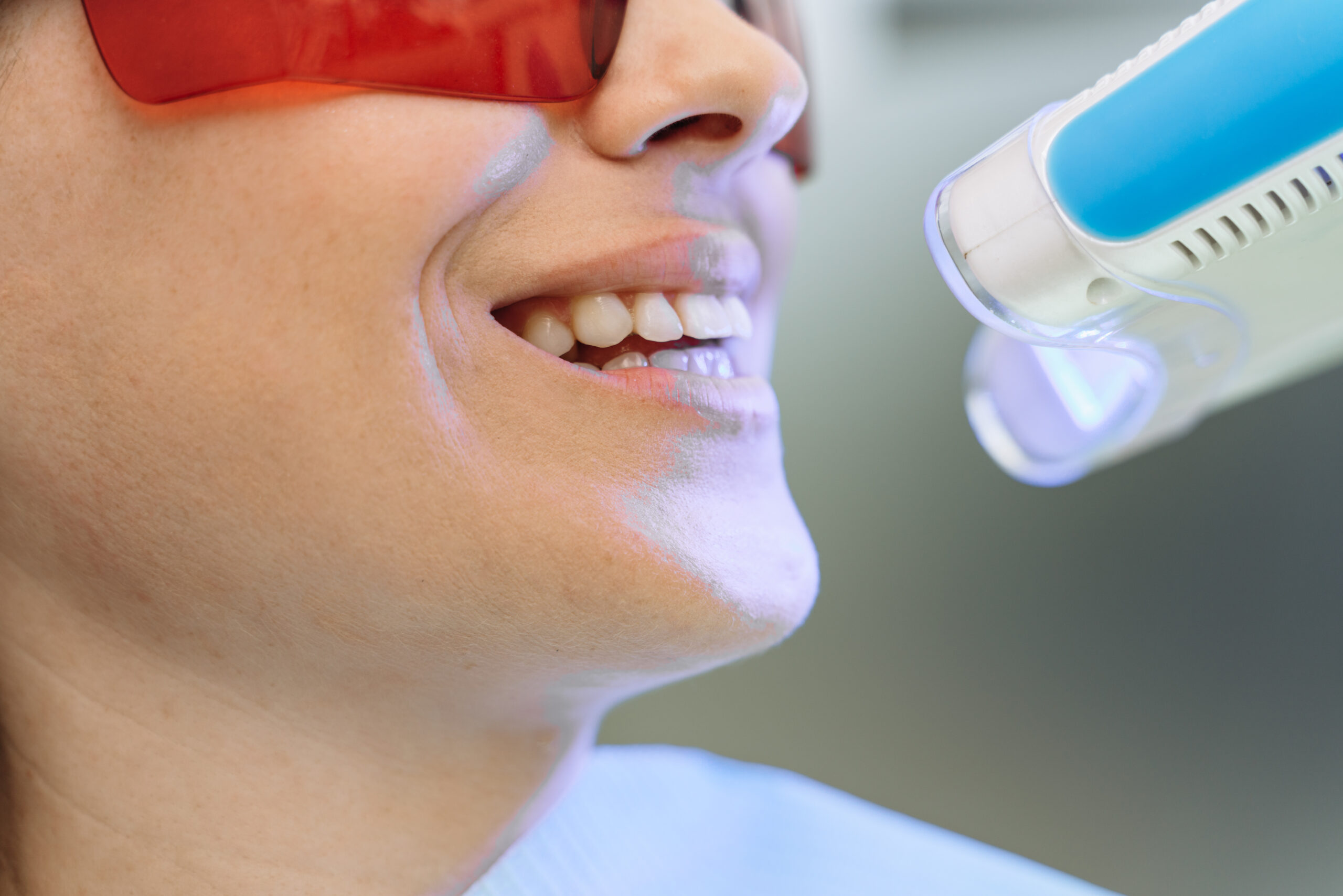
Teeth whitening involves the use of bleaching agents, such as hydrogen peroxide or carbamide peroxide, which penetrate the enamel to break apart deep-set stains. This process lifts discoloration caused by food, beverages, tobacco, and aging, revealing a noticeably whiter appearance. Professional whitening treatments are typically more effective because they use stronger, professionally controlled formulas, delivering faster and more consistent results. Over-the-counter kits, on the other hand, contain lower-strength agents, which may offer gradual improvement but often fall short of the results achieved under a dentist’s supervision.
Our teeth whitening in Anna uses professional-grade solutions that are far more effective than over-the-counter kits, which often contain weaker formulas and deliver limited results.
Does Teeth Whitening Damage Enamel?
So, does teeth whitening cause enamel loss? The short answer: No, it does not — when done correctly.
Numerous clinical studies have shown that professional teeth whitening does not harm the enamel. The American Dental Association (ADA) has approved certain whitening products for safe use, meaning they do not compromise enamel integrity.
However, problems may arise when:
- Whitening is done too frequently
- Products with high peroxide concentrations are overused
- Over-the-counter kits are misused or combined with abrasive toothpaste
- Individuals have pre-existing enamel erosion or dental conditions
In these cases, enamel may become more vulnerable, not because of the whitening agent itself, but due to improper application or an underlying issue.
Sensitivity vs. Enamel Loss: What’s the Difference?
Many people report tooth sensitivity after whitening treatments and assume it’s due to enamel damage. But this isn’t necessarily true. Sensitivity is often a temporary side effect caused by peroxide reaching the inner dentin layer and irritating the nerves. It usually subsides within a few days.
On the other hand, enamel loss is permanent and manifests as increased transparency, roughness, or yellowing of the teeth. If you’re experiencing prolonged sensitivity, it’s best to consult a dentist who can assess whether it’s related to enamel erosion or just a temporary reaction.
Choosing the Right Whitening Method
With so many whitening products available, it’s crucial to choose the method that’s both effective and safe for your unique smile. Here’s where expert guidance matters.
When you visit a trusted provider for teeth whitening in Anna, you receive a treatment plan tailored to your dental health. A dentist will evaluate the condition of your enamel, assess any risk factors, and recommend the safest way to brighten your smile without harming your teeth.
Avoiding generic or unregulated products from unknown sources is also important. While these may promise fast results, they can come with hidden risks, especially if they contain high concentrations of bleaching agents or abrasive ingredients.
How to Protect Your Enamel During Whitening
To keep your enamel strong during and after whitening treatments, follow these best practices:
- Consult your dentist first: Always have a dental exam before starting any whitening treatment.
- Use fluoride: Strengthen your enamel with fluoride toothpaste or professional fluoride treatments.
- Avoid acidic foods and drinks: Citrus, soda, and vinegar-based foods can weaken enamel, especially right after whitening.
- Use sensitivity toothpaste: These products help calm nerve endings and protect enamel.
- Don’t over-whiten: Stick to recommended treatment frequency, typically no more than once every 6 months (unless advised by your dentist).
Final Thoughts
Teeth whitening is a safe and proven way to enhance your smile, as long as it’s done with the right products, technique, and professional supervision. The idea that whitening causes enamel loss is a common misconception. While overuse or misuse can pose risks, a responsible approach ensures your enamel stays strong and your smile stays radiant. At Dental Wellness Anna, we prioritize your safety and long-term dental health by offering professional teeth whitening solutions designed to protect your enamel while delivering radiant results.
At our dental clinic, we’re committed to helping you achieve a brighter smile with your long-term dental health in mind. Our team focuses on patient education, comfort, and expert care to guide you toward the best whitening options for your needs. Schedule an appointment today to learn more about safe, effective teeth whitening in Anna and how we can help you protect your enamel while achieving a confident, healthy smile.