601 South Ferguson Pkwy Suite 300, Anna, TX 75409


How to Choose the Right Dental Crown Material Anna, TX

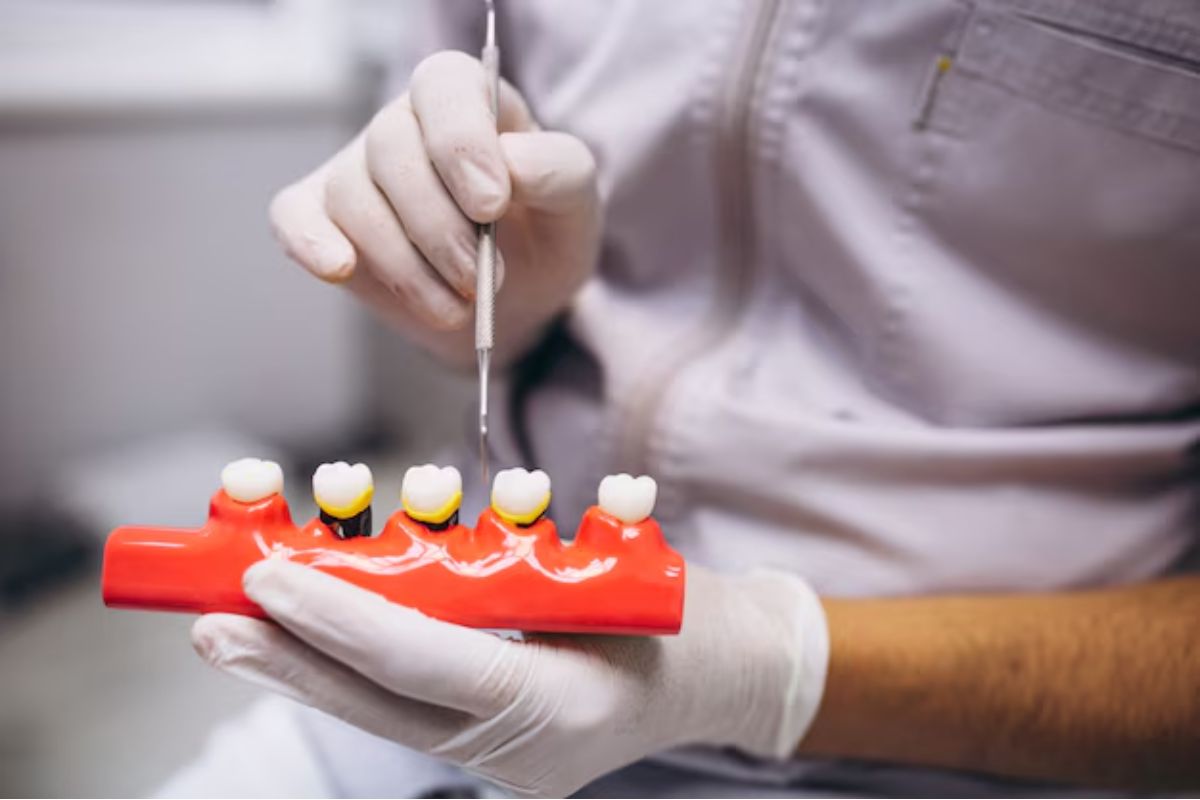
When a tooth becomes severely damaged due to decay, injury, or wear, a dental crown can restore both its function and appearance. Dental crowns are custom-made caps placed over teeth to protect and strengthen them. However, selecting the right crown material is essential to ensure both durability and aesthetics. With several options available, the decision can be challenging, but understanding the various materials can help you make an informed choice that fits your oral health needs and personal preferences.
Why Do You Need a Dental Crown?
A dental crown may be recommended for several reasons, including:
- Protecting a tooth weakened by decay or fractures
- Restoring a broken or worn-down tooth
- Supporting a tooth with a large filling when not enough natural tooth structure remains
- Covering a dental implant or anchoring a dental bridge
- Improving the appearance of a discolored or misshapen tooth
Each situation may call for a different crown material depending on the location of the tooth, how much pressure it endures, and aesthetic considerations.
Popular Dental Crown Materials
There are several dental crown materials available, each with its own advantages and drawbacks. Some of the most common options include metal, ceramic, porcelain, and zirconia.
1. Metal Crowns
Metal crowns, often made from alloys that include gold, platinum, or base metals like chromium, are known for their strength and longevity. These crowns are highly resistant to wear and can withstand the pressure from chewing and grinding. Due to their durability, metal crowns are often used for molars, where the aesthetic appeal is less of a concern.
The downside is that metal crowns are not tooth-colored and are highly visible, which can be an issue if the crown is for a front tooth. However, for those seeking a long-lasting solution for back teeth, metal crowns are an excellent option.
2. All-Ceramic Crowns
Ceramic crowns are made from a variety of materials, including porcelain, and offer a natural appearance that closely matches the color and texture of natural teeth. These crowns are ideal for restoring front teeth, where aesthetics are paramount. Ceramic crowns provide a smooth, translucent look that blends seamlessly with surrounding teeth.
While ceramic crowns are visually appealing, they are not as durable as metal crowns. They may be prone to chipping or cracking, especially in the molar region where biting force is greatest. However, with proper care, ceramic crowns can last for many years and maintain their beauty.
3. Porcelain-Fused-to-Metal (PFM) Crowns
Porcelain-fused-to-metal crowns combine the strength of metal with the appearance of porcelain. The metal structure offers durability, while the porcelain coating gives the crown a natural tooth-like appearance. This makes PFM crowns a versatile option for both front and back teeth.
Over time, the metal in PFM crowns may show through at the gum line, creating a visible dark edge. While these crowns are strong, they can also be prone to wear on the opposing teeth. Despite these minor drawbacks, PFM crowns are a reliable and cost-effective solution.
4. Zirconia Crowns
Zirconia crowns are among the strongest and most durable options available today. Made from a ceramic-like material, zirconia crowns are resistant to chipping and cracking. They can withstand the pressure of chewing and grinding, making them suitable for both front and back teeth.
Zirconia crowns also offer a more natural appearance than metal crowns, though they can be more opaque than other materials like all-ceramic. This may make them less ideal for front teeth where translucency is important for a natural look. However, advancements in zirconia technology have improved its aesthetic qualities in recent years.
Factors to Consider When Choosing a Dental Crown
When choosing the right crown material, several factors must be taken into account:
- Tooth Location: Teeth in the front of the mouth require a material that looks natural, such as ceramic or porcelain. Teeth in the back can benefit from the strength of metal or zirconia.
- Durability Needs: If your tooth requires a crown that can handle the pressure of biting and grinding, stronger materials like metal or zirconia may be more appropriate.
- Aesthetic Preferences: For a crown that looks as natural as possible, ceramic or porcelain crowns offer the best appearance. However, if the crown is for a back tooth, appearance may be less of a concern.
- Cost: Different materials come at different price points. Metal crowns tend to be less expensive than ceramic or zirconia, but the best option for you should also consider factors like durability and aesthetics.
- Allergies: If you have known allergies to metals, ceramic or zirconia crowns are safe, non-metallic options that will not cause an allergic reaction.
Making the Right Choice
Choosing the right dental crown material involves understanding your oral health needs and your personal preferences. Your dentist will play an essential role in guiding you through the decision, ensuring that the chosen crown meets both your functional and aesthetic goals. By discussing the benefits and limitations of each material, you can feel confident in selecting the right crown for your smile.
Conclusion
Dental crowns are a significant investment in your oral health, and selecting the right material is crucial for ensuring long-term success. Whether you need the strength of metal, the beauty of ceramic, or the versatility of zirconia, there is a crown option that can meet your needs. Consult with your dentist in Anna, to discuss the best choice for your situation, and enjoy the benefits of a restored, beautiful smile.
