601 South Ferguson Pkwy Suite 300, Anna, TX 75409


Know How Many Times In a Year Should a Child Go To The Pediatric Dentist? Anna, TX

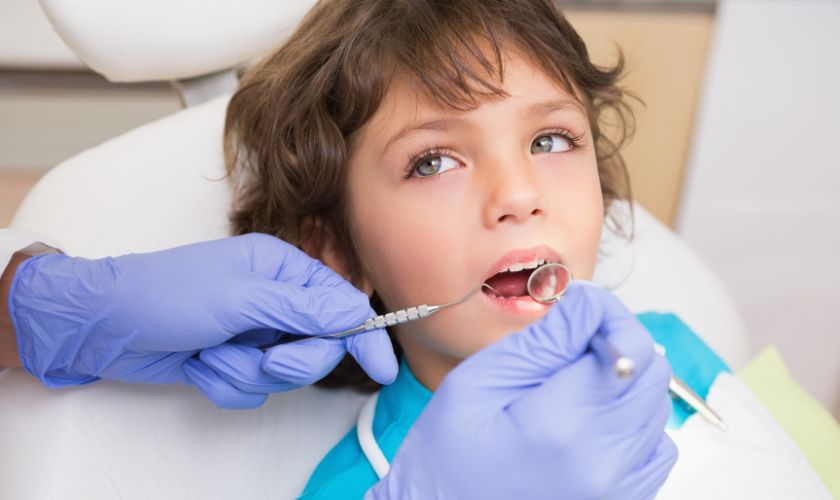
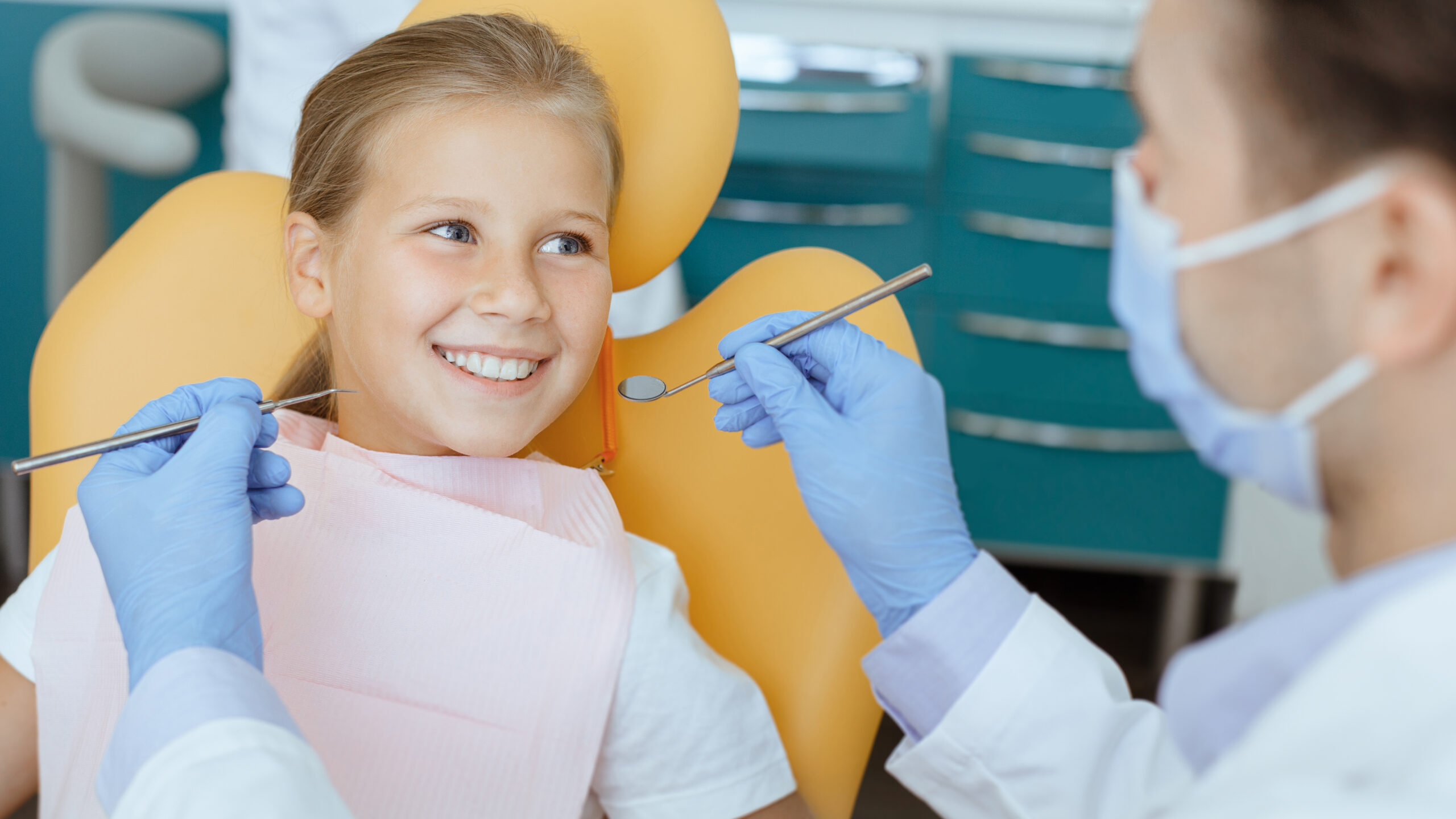
A child’s grin brings immense happiness, thus it is vital to take care of it. Establishing good oral hygiene practices and averting future issues need routine dentist appointments. However, how frequently should your child visit an Anna pediatric dentist? This blog article examines how often kids should see the dentist, giving you the knowledge you need to make decisions about your child’s oral health. Recall that obtaining individualized advice catered to your child’s particular need requires speaking with a pediatric dentist.
Beyond a Universal Answer: Understanding the Importance of Regular Checkups
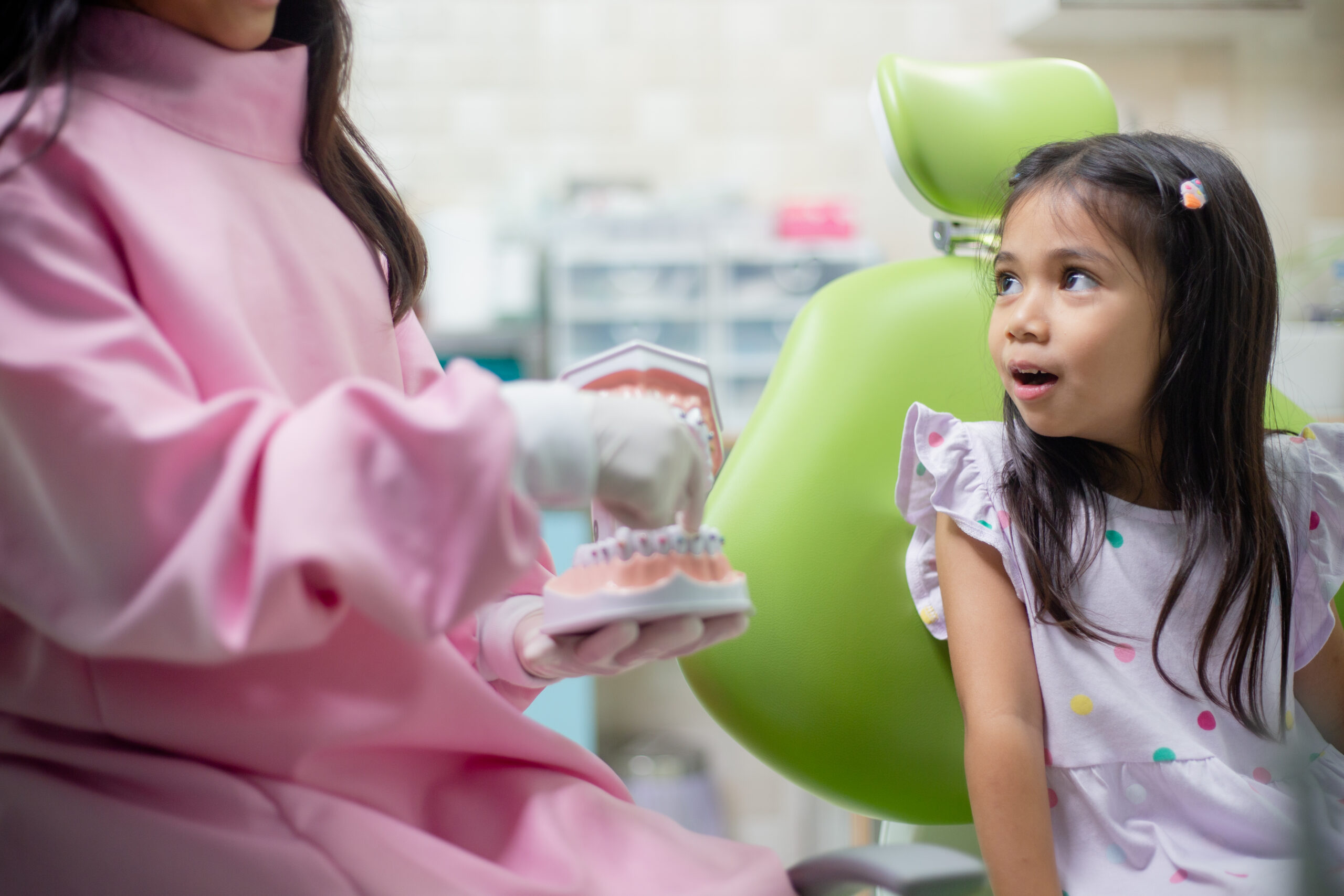
Regular dental examinations safeguard children’s oral health and foster positive dental experiences, both of which are huge benefits. The identification of developmental problems, gum disease, or oral cavities makes early intervention and preventative measures feasible. A lifetime of healthy habits may be established by teaching parents and children how to properly brush and floss, with the help of the dentist. Frequent exams also allow for the tracking of oral development and the creation of a comfortable dental environment, both of which reduce anxiety and promote positive connections with future dental visits.
Here’s a General Guideline for How Often Children Should See a Pediatric Dentist in Anna:
- Infants: It is advised by the American Academy of Pediatric Dentistry that a newborn’s first appointment be scheduled no later than six months following the emergence of their first tooth or by the time the child becomes one year old. During this first appointment, the dentist may evaluate the infant’s overall dental health, address any worries the parents may have, and provide caretakers advice on good oral hygiene habits.
- Early Childhood (1-3 years old): Biennial inspections are generally advised around this time. The major goals of these visits are to monitor the growth of the mouth, make sure teeth emerge healthily, and instruct parents and kids on good tooth cleaning and flossing methods.
- Preschool and School Age (4–12 Years Old): For most children in this age group, biannual checks are still the typical prescription. The dentist can detect and treat cavities, gum disease, and any orthodontic issues during these appointments. Additionally, they might keep promoting basic dental hygiene practices and offering advice on how to keep a smile looking good.
- Teenage years: (13–18 years old): Every two years, teens are frequently advised to be looked out as well. The dentist may, however, change the frequency based on the particular requirements of each patient. Apart from offering advice on upholding appropriate oral hygiene during adolescence, the dentist may also discuss hormonal fluctuations that might affect oral health in this age range.
Important Note: This is just a general guideline. The actual frequency of dental visits for your child might vary depending on their individual needs and risk factors.
Individual Factors Influencing Visit Frequency: Beyond the Age
Besides age, several factors can influence how often your child should see a pediatric dentist in Anna:
Oral Health History: Children who have experienced early tooth loss, gum disease, or cavities in the past are more likely to experience issues in the future. Instead of the usual biannual schedule, these kids would benefit from more regular monitoring and preventative treatment, which can include visits every three to four months.
Dietary Practices: Eating a lot of sugar- or acid-containing meals and drinks can greatly raise your risk of cavities. Regular use of these foods may necessitate more regular examinations for children, maybe every four to six months, in order to check for cavities and make sure that plaque and food particles are being removed by good oral hygiene procedures.
Oral Hygiene Practices: More frequent visits, maybe every three to six months, may be beneficial for kids who find it difficult to maintain a regular and efficient brushing and flossing schedule. In these follow-up appointments, the dentist may offer the child personalized advice, encouragement, and progress tracking on the formation and upkeep of healthy dental hygiene practices.
Building a Collaborative Partnership with Your Pediatric Dentist
Building a solid relationship with your Anna pediatric dentist is crucial to ensuring your child’s dental health. The growth of this cooperation is attributed to candid communication, group decision-making, and the sharing of important data. By being transparent about your child’s health history, eating habits, and any worries you may have, you enable the dentist to create the most efficient and customized treatment plan for your child’s particular requirements. Actively discussing treatment choices with others and seeking clarification when necessary promotes openness and trust, which enables you to make decisions that put your child’s welfare first. Keep in mind that collaborating closely with your pediatric dentist helps your kid have a great dental experience and establishes the groundwork for a lifetime of healthy smiles.
Conclusion: Knowledge Empowers Healthy Smiles
You may make more educated decisions regarding your kid’s oral health if you are aware of the significance of routine dental exams and the variables that affect how often your child has to see the dentist. Their dental requirements change as they get older, so speaking with a skilled pediatric dentist in Anna will guarantee they get the individualized attention and direction they need to have lifetime healthy, attractive smiles.