601 South Ferguson Pkwy Suite 300, Anna, TX 75409


10 Ways to Prevent Cavities in Your Child Anna, TX


Cavities are among the most common dental concerns among children, but the good news is that many can be prevented with the right habits. Developing healthy oral care routines early can protect your child’s smile and support long-term dental health. Parents often wonder what truly makes a difference in preventing tooth decay, and the answer usually comes down to consistency, nutrition, and regular oral hygiene habits.
Here are eight essential ways to prevent cavities in your child and support a lifetime of healthy smiles.
Why Children Are More Prone to Cavities
Children’s teeth are still developing, and enamel can be more vulnerable to bacteria and acids. Frequent snacking, sugary drinks, and inconsistent brushing routines can quickly increase the risk of tooth decay. In many cases, cavities begin small and go unnoticed until discomfort appears.
Preventive habits introduced early can significantly lower these risks and help children maintain stronger, healthier teeth as they grow.
1. Encourage Brushing Twice a Day
Brushing every morning and night is one of the most effective ways to reduce plaque buildup and the presence of cavity-causing bacteria. Parents should supervise brushing for younger children to ensure all tooth surfaces are cleaned properly.
Using a fluoride toothpaste in age-appropriate amounts can strengthen enamel and provide additional protection against decay.
Tips for Better Brushing Habits
- Use a soft-bristle toothbrush
- Replace toothbrushes every three months
- Brush for at least two minutes
- Make brushing part of a daily routine
2. Teach Proper Flossing Early
Many cavities develop between teeth where toothbrush bristles cannot reach. Once teeth begin to touch, flossing becomes an important part of daily oral hygiene.
Parents can help younger children floss until they develop enough coordination to do it independently.
3. Limit Sugary Snacks and Drinks
Frequent exposure to sugar increases the risk of cavities because oral bacteria feed on it and produce acids that weaken enamel.
Try replacing sticky candies, soda, and sugary juices with healthier options such as:
- Fresh fruits
- Cheese
- Yogurt
- Crunchy vegetables
- Water instead of sugary beverages
Reducing sugar intake does not mean eliminating treats entirely. Moderation and timing can make a big difference.
4. Make Water the Preferred Drink
Water helps rinse away food particles and bacteria throughout the day. Fluoridated water can also strengthen tooth enamel and reduce the risk of decay.
Encouraging children to drink water after meals and snacks can support better oral health and reduce prolonged acid exposure on the teeth.
5. Avoid Frequent Snacking
Constant snacking gives bacteria more opportunities to produce acids that attack teeth. Allowing time between meals helps saliva naturally neutralize acids and protect enamel.
Creating structured snack times instead of continuous grazing can benefit both oral health and overall nutrition.
6. Start Dental Habits at an Early Age
Good oral hygiene should begin even before the first tooth appears. Cleaning an infant’s gums with a soft cloth and transitioning to gentle brushing once teeth erupt can establish healthy routines early.
Parents who prioritize preventive care often help children develop positive attitudes toward oral health as they grow older.
7. Use Fluoride Appropriately
Fluoride is an important tool in cavity prevention because it strengthens enamel and helps reverse early signs of tooth decay. However, children should use the correct amount based on their age.
Our pediatric dentist in Anna may recommend fluoride guidance tailored to your child’s specific oral health needs and risk factors.
8. Protect Teeth During Sports and Activities
Active children may experience dental injuries during sports or physical play. Damaged teeth can become more vulnerable to decay and long-term oral complications.
Using a properly fitted mouthguard during sports activities can help protect growing smiles from unnecessary trauma.
9. Watch for Early Signs of Tooth Decay
Cavities do not always cause immediate pain. Parents should pay attention to warning signs such as:
- White or brown spots on teeth
- Tooth sensitivity
- Complaints of discomfort while eating
- Persistent bad breath
Early detection can help prevent more serious dental issues and support healthier outcomes for children.
10. Create Positive Dental Experiences
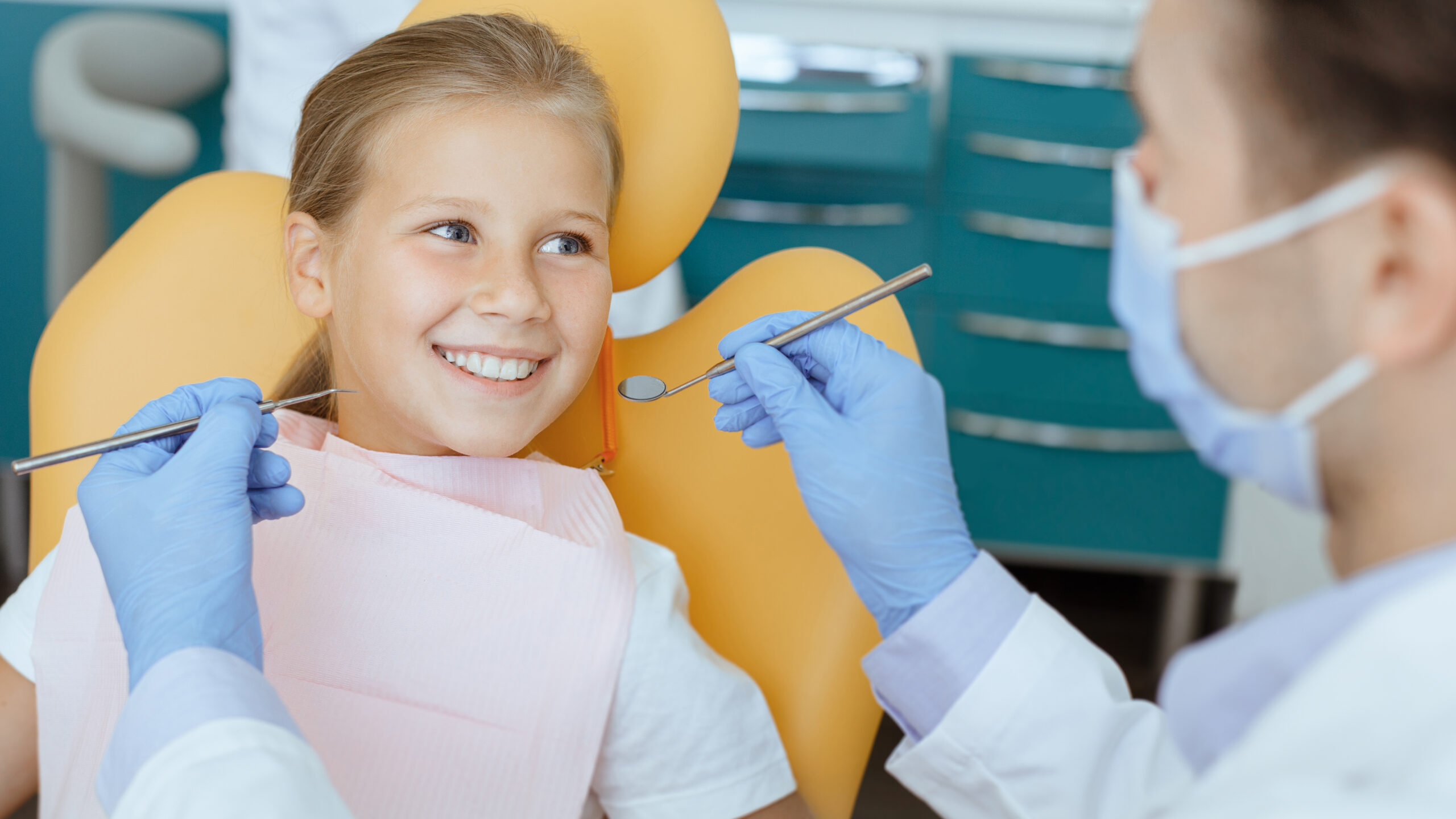
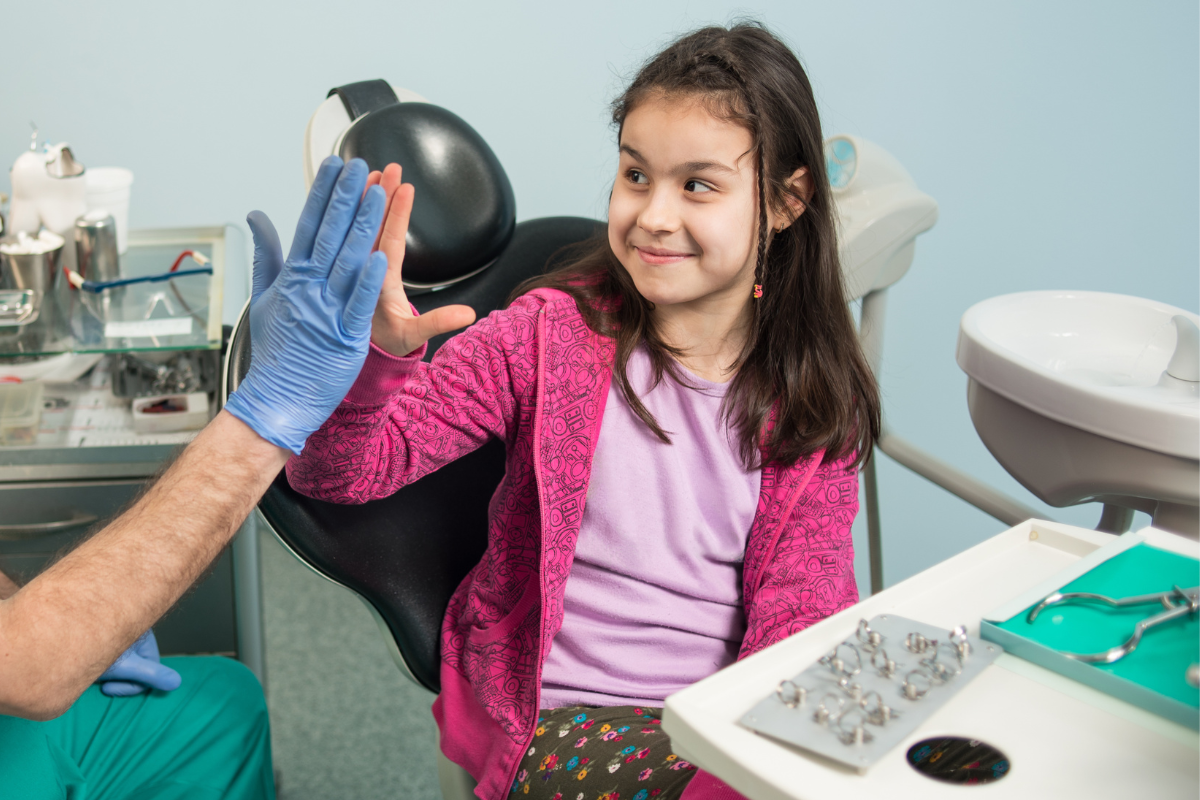
Children are more likely to maintain healthy habits when oral care feels positive and encouraging. Avoid using dental visits or brushing as punishment. Instead, celebrate consistency and make oral hygiene part of a healthy lifestyle.
Pediatric dentistry emphasizes creating supportive experiences that help children feel confident and comfortable as they learn the importance of caring for their teeth.
Healthy Habits Today Can Protect Your Child’s Smile for Years
Preventing cavities is not about perfection. Small daily habits can make a lasting difference in your child’s oral health and confidence. Encouraging consistent brushing, flossing, balanced nutrition, and healthy routines can help children enjoy stronger teeth and fewer dental problems as they grow.
Give Your Child the Strong Foundation for a Healthier Smile With Dental Wellness of Anna
At Dental Wellness of Anna, we are committed to helping families build healthy oral habits that support long-term smiles. Our patient-centered approach to pediatric dentistry focuses on education, prevention, and the creation of a comfortable environment for children and parents alike. If you want trusted guidance for protecting your child’s teeth and supporting lifelong oral health, schedule an appointment with our dental clinic today and let our team help your child smile with confidence.
FAQs
How can I tell if my child has a cavity?
Some early signs of cavities include tooth sensitivity, white or brown spots on teeth, pain while eating, or persistent bad breath. Regular dental checkups can help detect cavities before they become more serious.
At what age should my child start brushing their teeth?
Oral care should begin even before the first tooth appears by gently cleaning the gums with a soft cloth. Once teeth erupt, children should start brushing with a small, soft-bristled toothbrush.
How often should children brush their teeth?
Children should brush twice a day for two minutes using fluoride toothpaste. Parents should supervise brushing until children can clean their teeth effectively on their own.
Are baby teeth really important if they eventually fall out?
Yes, baby teeth play an important role in chewing, speech development, and guiding permanent teeth into proper position. Cavities in baby teeth can also affect overall oral health.